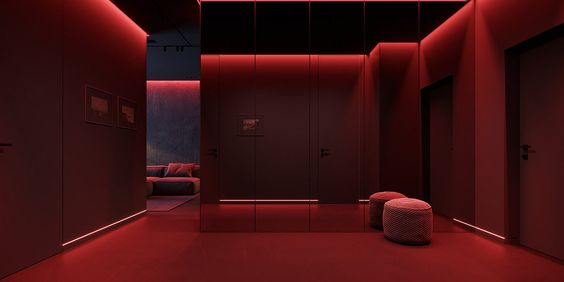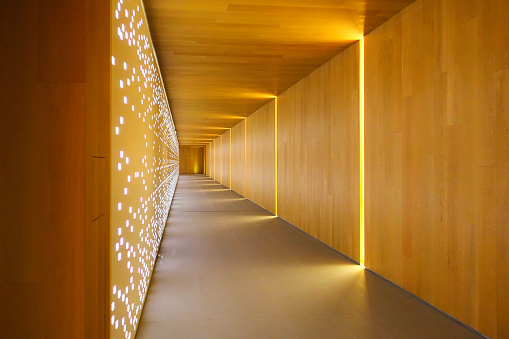
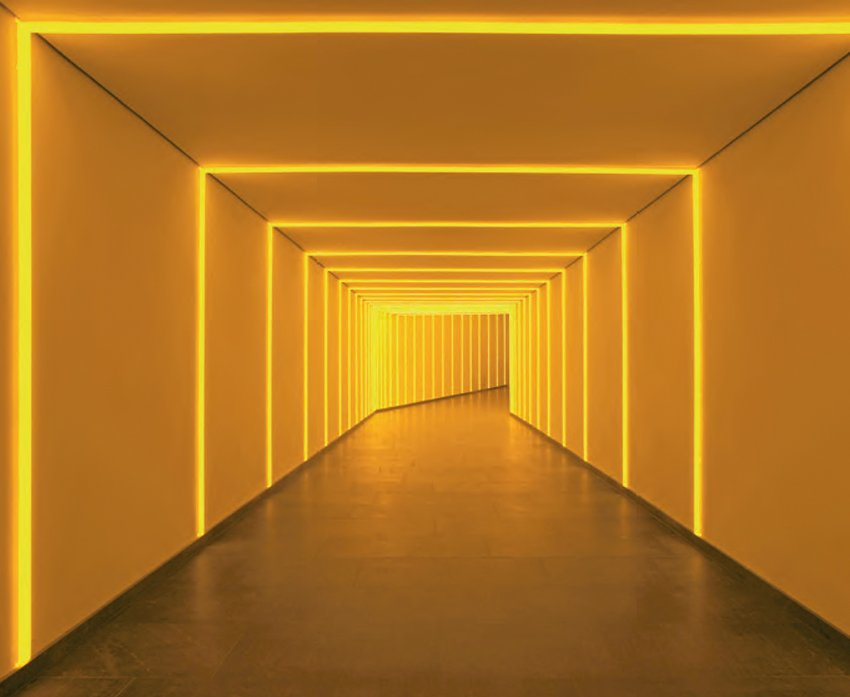
Architectural lighting refers to illuminating buildings, structures, and monuments in an aesthetic and functional manner that highlights their architecture and design. Architectural lighting can be used to draw attention to special architectural features, create an atmosphere or mood, improve safety, or save energy.
There is a variety of architectural lighting technologies available today, including LEDs, fiber optics, and halogen projectors. These technologies can be used to create interesting lighting effects, such as shadows and reflections, or to change colors and light intensities to achieve a specific effect.
Moreover, architectural lighting can be used to improve the energy efficiency of buildings. By using light sensors and lighting controllers, light intensity can be automatically adjusted based on natural light levels and human presence, thereby reducing energy consumption and costs.
Architectural lighting can be used in a variety of contexts, including office buildings, residences, recreational areas, and public spaces such as parks and squares.
As for current trends in architectural lighting, a popular trend is the use of interactive architectural lighting. This involves using sensors and control technologies to allow people to interact with the lighting in a personalized and innovative way.
In conclusion, architectural lighting is an interesting and important subject, and the use of modern lighting technologies can enable a variety of aesthetic and functional improvements and effects.
@rstefiii